
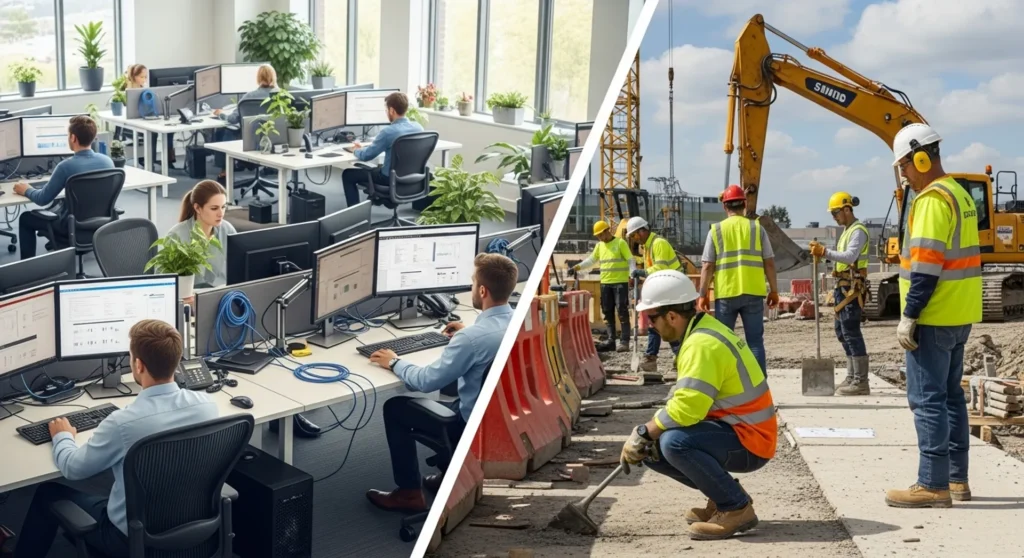
Workplace accidents remain a persistent concern across all industries, from corporate offices to construction sites. While accidents can happen anywhere, the law requires employers to take proactive steps to minimize risks and protect their workforce. Understanding the most common workplace accidents and their causes is essential for both employers seeking to maintain safe environments and employees who need to know their rights when injuries occur due to negligence.
The nature and frequency of workplace accidents vary significantly depending on the industry and work environment. What poses a risk in an office setting differs drastically from hazards present on a construction site or in a manufacturing facility. However, regardless of the workplace type, employers bear a legal responsibility to identify potential dangers, implement appropriate safety measures, and ensure their employees can work without unnecessary risk of injury.
Understanding Workplace Accident Statistics
According to the Bureau of Labor Statistics, millions of workplace injuries occur annually across the United States. These incidents range from minor injuries requiring basic first aid to severe accidents resulting in permanent disability or fatality. The financial and human costs of workplace accidents extend beyond the immediate injury, affecting productivity, employee morale, insurance premiums, and potential legal liabilities.
Workplace accident compensation claims have become increasingly common as employees become more aware of their rights. When an injury occurs due to employer negligence or failure to maintain safe working conditions, injured workers may be entitled to compensation covering medical expenses, lost wages, rehabilitation costs, and pain and suffering. Understanding the most common types of accidents helps both prevent incidents and establish liability when they do occur.
Most Common Office Workplace Accidents
Office environments, while generally considered safer than industrial settings, present their own unique set of hazards. The most prevalent accidents in office settings include slips, trips, and falls, which account for a significant percentage of workplace injuries in this environment.
Slips, Trips, and Falls in Office Settings
Slips and trips represent the leading cause of office workplace accidents. These incidents typically occur due to wet floors, loose carpeting, cluttered walkways, poor lighting, or uneven surfaces. A simple slip on a freshly mopped floor or a trip over an extension cord can result in serious injuries including broken bones, head trauma, and back injuries.
Employers can dramatically reduce these accidents by implementing strict housekeeping protocols. Floor spaces should remain clear of obstacles, with cables properly secured and routing planned to avoid foot traffic areas. Spills must be cleaned immediately, and appropriate warning signs should be displayed when floors are wet. Regular maintenance of flooring materials, including repairing worn carpets and ensuring tiles remain level and secure, is essential.
Repetitive Strain Injuries
Repetitive strain injuries (RSI) have become increasingly common in modern office environments where employees spend extended periods at computer workstations. These injuries develop gradually over time due to repeated motions, poor ergonomics, and inadequate breaks. Common RSI conditions include carpal tunnel syndrome, tendonitis, and neck and shoulder strain.
Prevention requires a multifaceted approach. Employers should provide ergonomic furniture, including adjustable chairs and desks, properly positioned monitors, and ergonomic keyboards and mice. Additionally, employees should be encouraged to take regular breaks, perform stretching exercises, and vary their tasks throughout the day to avoid prolonged repetitive movements.
Falling Objects and Storage Accidents
Improperly stored items pose significant risks in office environments. Boxes, files, or equipment stacked precariously on shelves or filing cabinets can fall and cause injury. This risk increases when items are stored above head height without proper securing mechanisms.
Safe storage practices include keeping heavy items on lower shelves, ensuring storage units are stable and properly anchored to walls when necessary, and avoiding overstacking. Employees should never stand on office chairs or makeshift platforms to reach high items — proper step stools or ladders should always be available and used.
Construction Site Workplace Accidents
Construction sites are inherently more dangerous than office environments, with workers facing numerous serious hazards daily. The Occupational Safety and Health Administration (OSHA) identifies several categories of accidents that occur frequently on construction sites, often with devastating consequences.
Falls from Height
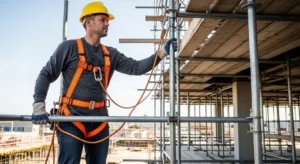
Falls from elevated positions represent the leading cause of fatalities in the construction industry. Workers may fall from scaffolding, ladders, roofs, or other elevated work platforms. These accidents often result in catastrophic injuries or death.
Prevention requires strict adherence to fall protection protocols. Employers must provide appropriate fall protection equipment including harnesses, guardrails, and safety nets. All equipment must be regularly inspected and properly maintained. Workers should receive comprehensive training on the correct use of fall protection systems, and supervisors must enforce compliance with safety protocols.
Struck-By Accidents
Construction workers face constant risk from falling tools, swinging equipment, or moving vehicles on job sites. These “struck-by” accidents can cause severe head injuries, fractures, and fatalities. Tools dropped from height, vehicles operating in congested areas, and improperly secured loads all contribute to these incidents.
Establishing and enforcing designated walkways, requiring hard hats and high-visibility clothing, implementing tool tethering systems for work at height, and maintaining clear communication protocols between equipment operators and ground workers can significantly reduce these accidents.
Electrocution Hazards
Construction sites often involve work near or with electrical systems, creating serious electrocution risks. Contact with power lines, faulty wiring, or improper use of electrical equipment can result in severe burns, cardiac arrest, or death.
Employers must ensure that electrical work is performed only by qualified electricians, power sources are properly locked out and tagged during maintenance, ground-fault circuit interrupters are used, and workers maintain safe distances from overhead power lines. Regular safety training on electrical hazards is essential for all construction personnel.
Caught-In or Between Accidents
Workers can become caught in or between machinery, equipment, or collapsing structures. These accidents often involve heavy equipment, trenching operations, or structural failures. The injuries sustained are typically severe, including crushing injuries, amputations, and fatalities.
Prevention strategies include proper machine guarding, trench protection systems, regular equipment maintenance, and strict adherence to safe operating procedures. Workers should never bypass safety mechanisms or attempt to service machinery while it is operating.
Manufacturing and Industrial Workplace Accidents
Manufacturing facilities present unique hazards combining elements of both office and construction environments with additional risks from machinery, chemical exposure, and repetitive processes.
Machinery-Related Injuries
Workers in manufacturing settings regularly interact with potentially dangerous machinery. Injuries can occur from unguarded moving parts, machinery malfunctions, or operator error. These accidents may result in crushing injuries, amputations, lacerations, or entanglement.
Comprehensive machine guarding, lockout/tagout procedures, regular maintenance schedules, and thorough worker training are critical prevention measures. The National Safety Council provides extensive resources on industrial safety best practices.
Chemical Exposure
Many manufacturing processes involve hazardous chemicals that can cause burns, respiratory problems, poisoning, or long-term health effects. Exposure may occur through inhalation, skin contact, or ingestion.
Employers must maintain comprehensive chemical inventories with readily accessible safety data sheets, provide appropriate personal protective equipment, ensure proper ventilation systems, and train workers on safe handling procedures and emergency response protocols.
Employer Responsibilities and Legal Obligations

Employers have both moral and legal obligations to provide safe working environments. These responsibilities include conducting regular risk assessments, implementing appropriate safety measures, providing necessary safety equipment and training, maintaining equipment and facilities, and documenting safety procedures and incidents.
Failure to meet these obligations can result in workplace accident compensation claims, regulatory penalties, increased insurance costs, and reputational damage. More importantly, neglecting safety responsibilities puts workers at unnecessary risk of injury or death.
Employee Rights and Responsibilities
While employers bear primary responsibility for workplace safety, employees also have obligations. Workers should follow established safety procedures, use provided safety equipment properly, report hazards and unsafe conditions immediately, participate in safety training programs, and never bypass safety mechanisms or take unnecessary risks.
When accidents do occur despite proper precautions, injured workers have the right to seek compensation for workplace injuries. This may include workers’ compensation benefits or, in cases involving third-party negligence, personal injury claims.
Preventing Workplace Accidents
Accident prevention requires ongoing commitment from both employers and employees. Effective prevention strategies include regular safety audits and inspections, comprehensive training programs, open communication about safety concerns, proper maintenance of equipment and facilities, adequate supervision and oversight, and continuous improvement of safety protocols based on incident analysis.
Creating a strong safety culture where workers feel empowered to report hazards without fear of reprisal is essential. When everyone takes responsibility for safety, accident rates decrease significantly.
Conclusion
Understanding the most common workplace accidents and their causes is the first step toward creating safer work environments. Whether in an office, on a construction site, or in a manufacturing facility, employers must remain vigilant in identifying risks and implementing appropriate safeguards. Employees should actively participate in safety programs and speak up about concerns.
When accidents do occur despite preventive measures, injured workers should not hesitate to seek legal advice about their rights to compensation. Workplace accident claims serve not only to provide financial recovery for injured workers but also to hold negligent parties accountable and encourage improved safety practices across all industries.
If you have been injured in a workplace accident due to employer negligence or unsafe conditions, consulting with an experienced attorney can help you understand your options and protect your rights to fair compensation.