
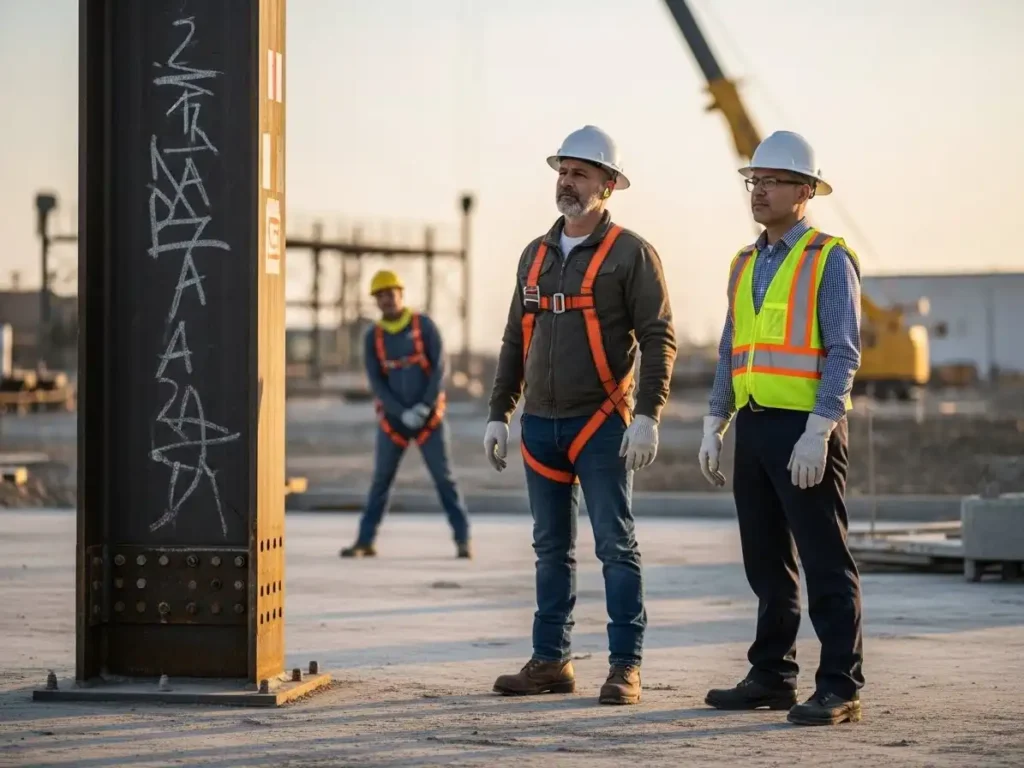
Why OSHA 2026 Rule Changes Are Important
 OSHA’s primary role is to regulate workplace safety and ensure that employers are taking appropriate steps to protect their workers from harm. Every year, OSHA reviews its regulations to address emerging risks, improve workplace safety, and incorporate the latest industry standards.
For 2026, OSHA is focused on tackling some of the deadliest hazards in construction: falls from heights, struck-by accidents, and trench collapses. These are the top three causes of fatal accidents on construction sites, and OSHA is implementing rule changes designed to reduce these risks.
Contractors who fail to comply with these updated regulations could face hefty fines, increased liability in lawsuits, and damage to their reputation in the industry.
Key OSHA 2026 Rule Changes Contractors Need to Know
1. Written Safety Programs Are Getting Stricter
One of the most significant changes in OSHA’s 2026 rule revisions is the increased requirement for comprehensive, site-specific safety programs. Contractors must now ensure that their safety plans are detailed and address specific hazards on each individual job site. These plans must be updated regularly and must include:
- Pre-task hazard analysis for each project
- Proper fall protection for all workers working at heights
- Specific procedures for excavation and trenching
- Emergency response protocols for accidents
- Equipment maintenance and inspection logs
These updates mean that contractors will need to implement more rigorous documentation and tracking systems. Simply providing general safety training is no longer enough. Your safety programs must be site-specific, well-documented, and comprehensive.
2. Expanded Reporting & Inspection Protocols
OSHA is now requiring increased reporting and documentation for injury and illness records. Construction contractors will need to:
- Submit detailed logs of all workplace injuries and illnesses electronically, including near-miss reports.
- Ensure that safety inspections are documented and available for review.
- Allow OSHA inspectors to access safety records, equipment logs, and training materials easily.
These new reporting requirements are designed to increase transparency and help OSHA track safety trends across the industry. Contractors who fail to maintain accurate records may face penalties or increased scrutiny from OSHA.
3. Enforcement of High-Energy Hazard Control
High-energy hazards are a major concern for OSHA, as they often result in catastrophic injuries. These hazards include working with heavy machinery, electrical systems, and moving parts on construction sites. OSHA is enforcing stricter safety protocols for these high-energy hazards, including:
- Machine guarding to prevent accidents related to moving machinery parts
- Proper lockout/tagout procedures for electrical systems and equipment
- Stronger protocols for working with cranes, hoists, and rigging systems
Contractors will need to adopt more thorough safety measures to mitigate these risks. Failing to implement effective controls can result in serious workplace accidents, lawsuits, and OSHA penalties.
4. Fall Protection & Scaffold Safety Standards
Falls remain the leading cause of fatal accidents in construction. As a result, OSHA’s 2026 rule changes are doubling down on fall protection requirements. Contractors will need to:
- Ensure that proper fall protection systems are in place for all workers working at heights.
- Adopt new scaffold safety standards to prevent accidents related to scaffolding.
- Provide training for all workers on fall hazard awareness and safe work practices.
Any failure to comply with these updated fall protection standards can lead to severe consequences, including penalties and significant legal liabilities in the event of an accident.
How These OSHA Changes Will Affect Legal Cases
OSHA compliance plays a critical role in the outcome of construction injury lawsuits. When an injury occurs on a job site, OSHA standards are often used to determine whether an employer was negligent in providing a safe work environment.
If an accident occurs due to failure to follow updated OSHA regulations, contractors could face serious liability for damages. This includes:
- Worker compensation claims
- Personal injury lawsuits
- Increased insurance premiums
- Penalties for non-compliance with OSHA regulations
Contractors can protect themselves by staying ahead of OSHA rule changes, documenting compliance, and ensuring their safety programs are up to date. By doing so, they reduce the likelihood of being found liable for workplace accidents and injuries.
What Contractors Can Do Now
 Here’s a checklist of immediate actions construction contractors should take to comply with the new OSHA 2026 regulations:
- Review and update safety programs: Make sure your safety plans are comprehensive and specific to each job site.
- Digitize and maintain records: Keep all safety and training records easily accessible for inspection.
- Train your workers: Ensure that all employees are trained on the latest safety procedures, particularly for fall protection and high-energy hazards.
- Conduct regular safety audits: Perform safety audits to identify any potential hazards and ensure compliance with new regulations.
- Update equipment and machinery protocols: Make sure that all equipment is inspected, maintained, and properly guarded to prevent accidents.