
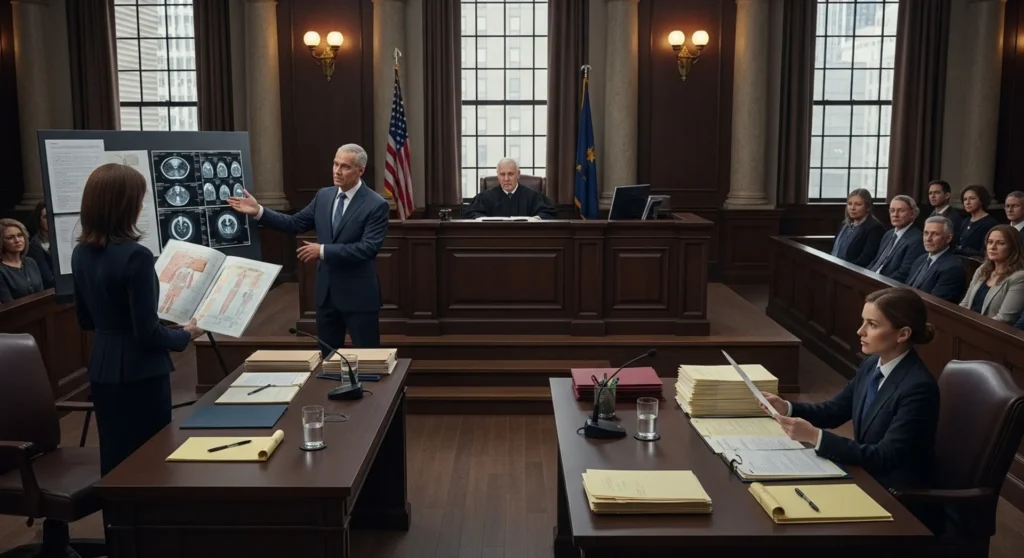
If you are pursuing a personal injury lawsuit, understanding the legal process can help reduce anxiety and ensure you are adequately prepared for each stage of your case. One critical milestone in personal injury litigation is the settlement conference — a formal meeting designed to resolve disputes before proceeding to trial. This procedural step serves as an opportunity for both parties to negotiate, evaluate their positions, and potentially reach an agreement that avoids the time, expense, and uncertainty of a trial.
Settlement conferences have become an integral component of the civil litigation process in many jurisdictions. Courts encourage these conferences because they help reduce case backlogs, save judicial resources, and often result in outcomes that satisfy both parties more than a trial verdict might. For injured plaintiffs, settlement conferences represent a crucial moment when they may receive compensation for their injuries without enduring the stress of courtroom testimony and cross-examination.
What is a Settlement Conference?

A settlement conference is a structured meeting facilitated by a judge, case management master, or other court official where the parties to a personal injury lawsuit discuss the merits of the case and explore potential settlement options. Unlike informal negotiations between lawyers, a settlement conference is a formal court proceeding with specific procedural requirements and timelines.
The primary purposes of a settlement conference include attempting to settle the case entirely, narrowing the contentious issues if settlement is not possible, clarifying the legal and factual disputes, and establishing a framework for trial if the case proceeds. According to the Federal Judicial Center, settlement conferences significantly increase the likelihood of case resolution without trial.
In personal injury cases, the central issues typically revolve around two fundamental questions: who was responsible for the accident or incident that caused the injury, and what compensation is appropriate for the injuries sustained? These liability and damages questions form the basis of most settlement discussions.
When Does a Settlement Conference Occur?
The timing of a settlement conference varies by jurisdiction, but it generally occurs after substantial discovery has been completed and before a trial date is set. In many jurisdictions, including various courts in Ontario and throughout the United States, a settlement conference is a mandatory step in the litigation process.
Before a settlement conference can be scheduled, certain prerequisites must typically be met. All parties must have completed examinations for discovery or depositions, where lawyers question the opposing parties and witnesses under oath. All relevant documents must be produced and exchanged between the parties, including medical records, accident reports, employment records, and expert opinions. Any preliminary motions addressing procedural or evidentiary issues should be resolved, and settlement conference briefs must be prepared and filed with the court.
These requirements ensure that all parties have sufficient information to evaluate the case meaningfully and engage in productive settlement discussions. Attempting settlement negotiations without complete information often proves futile, as parties cannot accurately assess the strengths and weaknesses of their positions.
Who Attends a Settlement Conference?
Settlement conferences typically involve several key participants, each playing a specific role in the process. Understanding who will be present and their respective functions helps parties prepare appropriately and know what to expect.
The Judge or Case Management Master
A judge or case management master presides over the settlement conference, facilitating discussions and providing an objective evaluation of the case. This judicial officer reviews the settlement conference briefs submitted by both parties, listens to arguments and presentations, offers insights into the strengths and weaknesses of each side’s position, and may provide a preliminary assessment of what a jury might decide.
The judge’s role is not to impose a settlement but rather to help the parties see their case through the lens of an impartial decision-maker. This perspective often proves valuable in breaking negotiation deadlocks, as parties gain insight into how their evidence and arguments might be perceived at trial.
The Plaintiff and Plaintiff’s Attorney
The injured person (plaintiff) attends the settlement conference alongside their attorney. The plaintiff’s presence is crucial because only they can authorize a settlement agreement. Their attorney presents the case, highlighting evidence of liability and the extent of damages, negotiates on behalf of the plaintiff, and advises the plaintiff on whether settlement offers are reasonable.
Before the conference, the plaintiff’s attorney will discuss settlement expectations, review the strengths and weaknesses of the case, and establish a settlement range that the plaintiff finds acceptable.
The Defense Attorney and Insurance Representative
The defense side typically consists of the defense attorney, usually hired by the defendant’s insurance company, and a claims examiner or adjuster with settlement authority. The insurance representative’s presence is essential because they have the authority to approve settlement offers up to certain amounts.
The defense team presents arguments regarding liability and damages, challenges the plaintiff’s evidence and claims, and negotiates settlement terms within their authorized limits. Having a representative with settlement authority present allows for real-time decision-making and prevents delays caused by needing to consult with absent parties.
How to Prepare for a Settlement Conference
Thorough preparation significantly increases the likelihood of a successful settlement conference outcome. Both legal teams invest considerable effort in preparing for this critical meeting.
Preparing the Settlement Conference Brief
Your attorney will prepare a comprehensive settlement conference brief — a detailed document outlining your case and the evidence supporting your position. This brief typically includes a summary of the facts and circumstances of the accident, key excerpts from discovery transcripts and depositions, relevant medical records documenting your injuries and treatment, expert reports supporting your claims regarding causation and damages, a list of witnesses who will testify at trial and summaries of their expected testimony, legal arguments supporting your position on liability and damages, and a damages calculation with supporting documentation.
The settlement conference brief serves multiple purposes. It educates the judge about your case, demonstrates the strength of your evidence, and provides a roadmap of what the trial would look like if settlement is not reached. According to the American Bar Association, well-prepared settlement briefs significantly enhance settlement prospects.
Meeting with Your Attorney
Before the settlement conference, you should meet with your attorney to discuss your settlement position and expectations, review any developments in the case that have emerged from the defense brief, understand the strengths and weaknesses of both sides’ positions, establish your settlement range and bottom line, and prepare for the format and procedures of the conference.
This preparation meeting allows you to ask questions, express concerns, and ensure you and your attorney are aligned on strategy and goals. Your attorney should provide realistic assessments of potential outcomes rather than overly optimistic projections.
Gathering Updated Information
If significant time has passed since discovery closed, you may need to provide updated information about ongoing medical treatment, current symptoms and limitations, lost wages or employment changes, and any new developments affecting your damages claim.
Judges appreciate having current information when evaluating settlement proposals, particularly regarding medical treatment and recovery progress.
What Happens During a Settlement Conference?

The format and procedures of settlement conferences vary depending on the judge’s preferences and the jurisdiction’s practices. However, certain common elements appear in most settlement conferences.
Initial Joint Session
Many settlement conferences begin with all parties, attorneys, and the judge meeting together in a courtroom or conference room. During this initial session, the judge may explain the settlement conference procedures and goals, ask each attorney to present a summary of their case, inquire about the parties’ settlement positions, and identify the key disputed issues.
This joint session allows everyone to hear the same information simultaneously and helps the judge understand each side’s perspective on the case.
Separate Caucuses
After the initial joint session, many judges prefer to meet separately with each side in private caucuses. During these confidential meetings, the judge may discuss candidly the weaknesses in that party’s case, explore settlement flexibility and decision-making parameters, convey settlement offers and counteroffers between the parties, and provide realistic assessments of likely trial outcomes.
The caucus format allows parties to speak more freely about their concerns and settlement positions without revealing their negotiating strategy to the opposition. Information shared during caucuses typically remains confidential unless a party authorizes its disclosure.
Judicial Evaluation
A significant component of most settlement conferences is the judge’s evaluation of the case. The judge may provide opinions on the likely findings regarding liability, offer a range of what damages might reasonably be awarded, identify evidentiary or legal problems either side may face at trial, and suggest settlement ranges that seem reasonable given the circumstances.
While not binding, these judicial evaluations carry considerable weight because they come from an experienced legal professional with no stake in the outcome. Parties often find these assessments helpful in adjusting their settlement expectations to more realistic levels.
Negotiation Process
Settlement conferences provide a structured environment for serious negotiations. With the judge facilitating and providing reality checks, parties often make more significant movement in their positions than they would in informal negotiations. The judge may shuttle between the parties with offers and counteroffers, suggest creative settlement structures, and help parties overcome specific obstacles to agreement.
Settlement conferences can last anywhere from one hour to several hours or even multiple sessions, particularly when parties are actively negotiating and making progress toward resolution.
Possible Outcomes of a Settlement Conference
Settlement conferences conclude in one of several ways, each with different implications for the future of your case.
Full Settlement
The ideal outcome is that the parties reach a complete settlement agreement resolving all claims. When this occurs, the terms are typically placed on the record or documented in a written agreement, the case is dismissed or discontinued, and the plaintiff receives the agreed-upon compensation according to the settlement terms.
Once a settlement is finalized, the case does not proceed to trial, and the litigation concludes. Settlement agreements are generally binding contracts that cannot be easily undone, so parties should carefully consider terms before agreeing.
Partial Settlement
Sometimes parties agree on some issues but not others. For example, they might settle the liability question but disagree on damages, or resolve claims against some defendants but not others. In these situations, the settled portions are resolved, and the case proceeds to trial only on the remaining disputed issues. This partial resolution simplifies the trial and may make further settlement more likely as the trial date approaches.
No Settlement with Trial Date Set
If settlement cannot be reached, the settlement conference is not a failure. The judge will discuss the expected length of trial with the attorneys, set a firm trial date, and may establish additional pre-trial deadlines and procedures. According to the National Center for State Courts, establishing a trial date after an unsuccessful settlement conference often motivates parties to continue settlement negotiations.
Many cases that do not settle at the settlement conference ultimately settle before trial, often in the weeks immediately preceding the trial date as the reality of going to court becomes imminent.
Advantages of Settling at a Settlement Conference
Understanding the benefits of settlement can help you evaluate offers more effectively and make informed decisions about whether to accept a settlement or proceed to trial.
Certainty and Control
Settlement provides certainty about the outcome, whereas trial results are unpredictable. By settling, you maintain control over the resolution rather than placing your fate in the hands of a judge or jury who might see the case differently than you expect.
Faster Resolution and Payment
Trials can be postponed due to court scheduling issues, and appeals can extend litigation for years. Settlement typically results in much faster resolution and payment of compensation, allowing you to move forward with your life and access funds for medical treatment or other needs.
Lower Costs
Taking a case to trial involves substantial expenses including expert witness fees, court costs, trial preparation expenses, and additional attorney time. These costs can significantly reduce your net recovery even if you win at trial. Settlement avoids these additional expenses.
Privacy
Trials are public proceedings, and testimony becomes part of the public record. Settlement agreements can include confidentiality provisions, keeping the details of your case and compensation private if desired.
Reduced Stress
Testifying at trial and being cross-examined can be stressful and emotionally difficult, particularly when discussing traumatic events and injuries. Settlement allows you to avoid this experience while still obtaining compensation.
After the Settlement Conference

Following the settlement conference, several things happen depending on whether settlement was reached.
If Settlement is Reached
When settlement occurs, the next steps include drafting a formal settlement agreement or release, obtaining necessary approvals for settlements involving minors or protected parties, processing payment according to the agreement terms, and filing appropriate documents with the court to dismiss or discontinue the case.
Your attorney will guide you through these final steps and ensure all documentation is properly completed.
If Settlement is Not Reached
If the case does not settle, the litigation continues with a fixed trial date providing a deadline for resolution, opportunities for additional settlement negotiations as the trial approaches, completion of any remaining pre-trial procedures, and trial preparation including witness preparation and trial strategy development.
Having a trial date often changes the dynamics of settlement negotiations, as both sides must weigh the certainty of settlement against the risks and costs of trial.
Working with Your Attorney Throughout the Process
The settlement conference represents a collaborative effort between you and your attorney. Maintaining open communication ensures you understand the process and make informed decisions about your case.
Your attorney should explain settlement offers in terms you understand, provide honest assessments of the strengths and weaknesses of your case, respect your decision-making authority regarding settlement, and advocate zealously for your interests throughout the process.
Remember that while your attorney provides legal advice and recommendations, the ultimate decision about whether to accept a settlement rests with you. Never feel pressured to accept an offer you believe is inadequate, but also carefully consider your attorney’s advice regarding the risks and costs of proceeding to trial.
Conclusion
The settlement conference represents a critical juncture in personal injury litigation — an opportunity to resolve your case with the assistance of a neutral judicial officer who can provide valuable perspective on the merits and settlement value of your claim. Understanding what to expect, how to prepare, and the potential outcomes helps you approach this important meeting with confidence and realistic expectations.
While not every case settles at the settlement conference, the process serves valuable purposes whether settlement is reached or not. Even when cases proceed to trial after an unsuccessful settlement conference, the trial date established at the conference often motivates continued settlement efforts and eventual resolution before trial.
If you are involved in a personal injury lawsuit and have questions about settlement conferences or any aspect of the litigation process, consulting with an experienced personal injury attorney ensures you understand your rights, options, and the best path forward for your specific circumstances.