
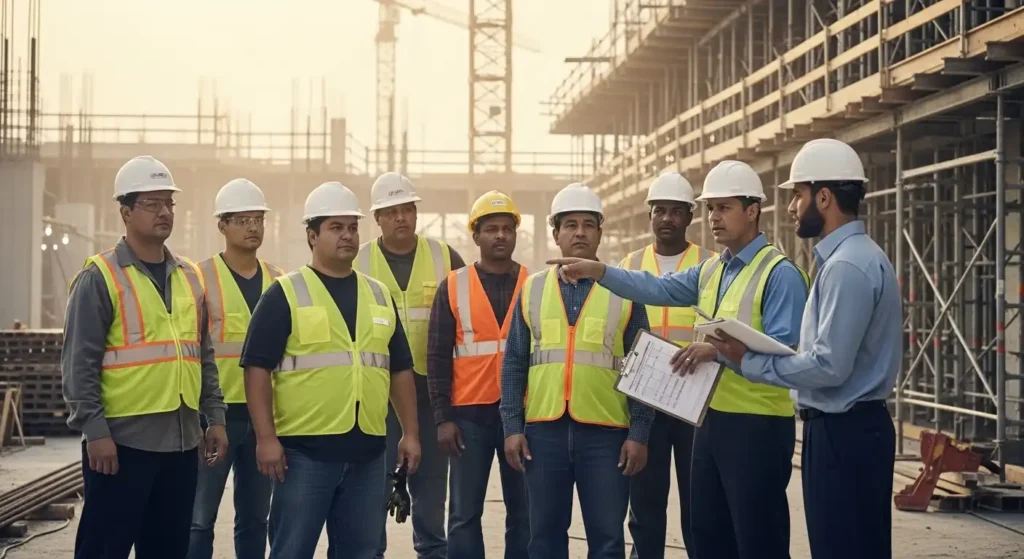
Construction sites remain some of the most dangerous workplaces in the United States. Workers face daily risks from falls, heavy equipment, unsafe scaffolding, exposure to harmful dust, and extreme environmental conditions.
In 2026, the Occupational Safety and Health Administration (OSHA) is increasing its focus on updated safety standards and enforcement priorities that directly affect the construction industry. These changes are not just regulatory adjustments for employers. They may also shape how construction accident injury claims are evaluated when workers are hurt on the job.
Understanding OSHA’s 2026 construction rule changes may help employers strengthen safety programs and may help injured workers recognize when violations contributed to preventable harm.
Why OSHA Rule Changes Matter for Construction Sites
OSHA regulations establish minimum workplace safety standards across the country. In construction, OSHA plays an especially important role because the industry consistently ranks among the highest for serious injuries and workplace fatalities.
When OSHA introduces new requirements or emphasizes stronger enforcement, employers may be expected to update safety protocols quickly. Failure to comply may increase accident risk and may create stronger legal exposure when injuries occur.
In many construction injury cases, OSHA compliance becomes a key issue in determining whether proper safety measures were in place before an accident happened.
Key OSHA 2026 Construction Safety Priorities
OSHA’s 2026 agenda reflects a broader shift toward proactive hazard prevention, stronger documentation, and increased oversight in high-risk industries like construction.
Several major areas of focus are emerging this year.
1. Heat Illness Prevention Requirements
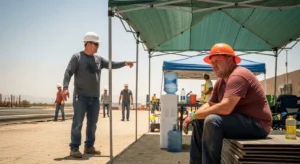 One of OSHA’s most significant priorities in 2026 involves heat illness prevention. Construction workers often perform physically demanding labor outdoors, sometimes in extreme temperatures.
OSHA is emphasizing stronger employer responsibilities for heat safety, including:
- Providing access to clean drinking water
- Scheduling rest breaks during high heat conditions
- Offering shade or cooling areas on job sites
- Training supervisors to recognize heat illness symptoms
Heat exhaustion and heat stroke may lead to serious medical emergencies. Employers who fail to implement prevention measures may face increased scrutiny, especially if heat stress contributes to worker injury.
2. Silica Exposure Enforcement
Respirable crystalline silica remains one of the most dangerous long-term hazards in construction. Workers exposed to silica dust during concrete cutting, drilling, demolition, or excavation may develop severe respiratory illnesses over time.
OSHA is expected to continue stricter enforcement of silica standards in 2026, requiring stronger controls such as:
- Wet cutting techniques to reduce airborne dust
- Ventilation systems in enclosed work environments
- Respiratory protection when exposure limits are exceeded
- Monitoring and compliance documentation
When silica controls are ignored, employers may face citations, and injured workers may have stronger claims if exposure results in illness or injury.
3. Expanded Recordkeeping and Injury Documentation
Another major OSHA focus for 2026 involves improved workplace recordkeeping. Employers may be expected to maintain more accurate and detailed logs of:
- Workplace injuries and illnesses
- Near-miss incidents
- Safety inspections and hazard assessments
- Corrective actions taken after safety issues are identified
Accurate documentation may help demonstrate compliance. Poor recordkeeping may raise questions after an accident occurs and may affect legal outcomes in injury claims.
4. Increased Inspection and Enforcement Activity
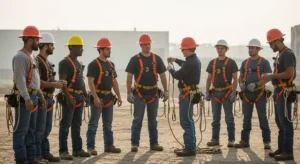 OSHA has indicated that construction remains a top enforcement priority due to the high rate of severe injuries and fatalities.
In 2026, construction employers may experience:
- More frequent surprise inspections
- Greater scrutiny of repeat offenders
- Higher penalties for unresolved hazards
- Stronger enforcement of fall protection standards
Accidents that occur in the context of known OSHA violations may significantly impact how liability is evaluated.
5. Stronger Expectations for Safety Training
Training continues to be one of OSHA’s most important areas of focus. Many construction injuries occur because workers are not properly trained on equipment operation, fall prevention systems, or hazard recognition.
OSHA’s 2026 approach emphasizes:
- Job-specific safety training programs
- Competency assessments for workers
- Ongoing refresher training
- Clear written safety procedures
Employers may need to show that training was not only offered but properly understood and enforced.
How OSHA Rule Changes May Affect Construction Injury Claims
When a construction accident occurs, liability often depends on whether safety rules were followed and whether hazards were preventable.
OSHA violations may become important evidence in injury claims because they may demonstrate that an employer failed to meet required safety standards.
OSHA Citations May Strengthen Injury Cases
If OSHA investigates a construction accident and issues citations, those findings may support an injured worker’s claim. Citations may indicate that unsafe conditions existed before the injury occurred.
Updated Standards May Shift Employer Responsibilities
As OSHA standards evolve, employers may be expected to meet higher safety benchmarks. If a company continues using outdated safety practices, injured workers may argue that the employer failed to keep pace with required protections.
Third-Party Liability May Still Apply
Construction injury claims may involve more than just the employer. Contractors, subcontractors, equipment manufacturers, or property owners may share responsibility depending on the circumstances.
You may find it helpful to explore our guide on How Fault Is Determined in Construction Accidents.
Steps Workers Should Take After a Construction Injury
If you are injured on a construction site, certain steps may help protect your health and your legal rights:
- Seek Medical Care Immediately – Even injuries that seem minor may worsen later.
- Report the Incident – Make sure the injury is documented properly.
- Gather Evidence – Photos, witness names, and safety condition details may matter.
- Keep Records – Save medical bills, treatment notes, and employer communications.
- Consult a Construction Accident Lawyer – OSHA changes may influence how your claim is evaluated.
Conclusion
OSHA’s 2026 construction safety rule changes reflect a stronger focus on hazard prevention, enforcement, and worker protection. From heat illness prevention to silica exposure controls and improved recordkeeping, these updates may influence how construction accidents are prevented and how injury claims are evaluated when workers are harmed.
If you or a loved one has been injured on a construction site, understanding the role OSHA standards may play in your case can be an important part of moving forward.