
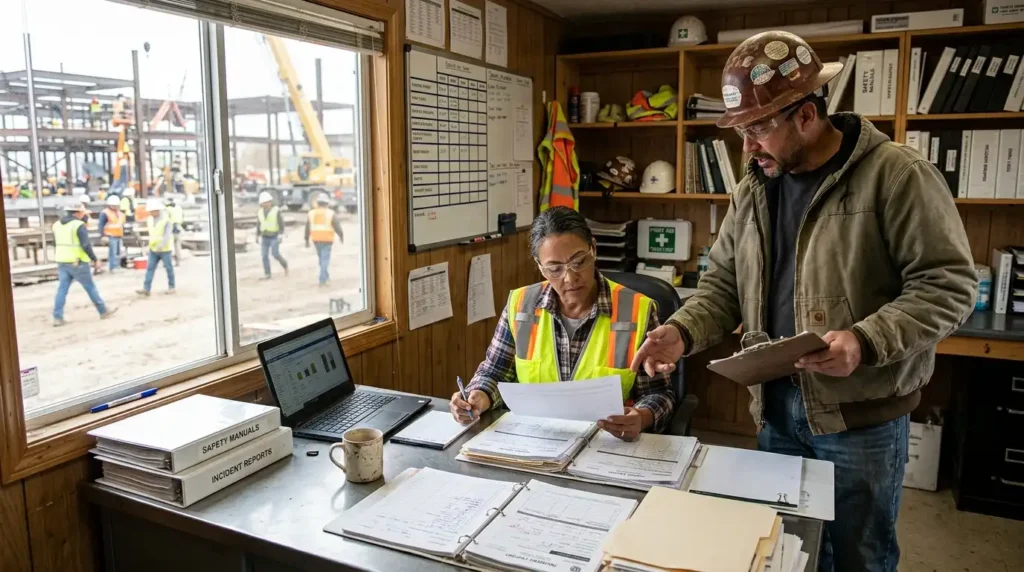
In 2026, the Occupational Safety and Health Administration (OSHA) is not only updating its safety enforcement priorities — it’s also tightening recordkeeping and reporting requirements for workplace injuries and illnesses. For construction workers injured on the job and their attorneys, these changes can influence employer liability, strength of evidence in lawsuits, and even settlement negotiations.
What OSHA’s 2026 Recordkeeping Requirements Mean
OSHA’s updated emphasis on detailed documentation and reporting means employers must now keep more thorough injury and illness records than in past years. This goes beyond simply filling out the basic OSHA 300 log. Under the new guidance, construction employers should expect clearer expectations for documenting injuries, recording incident details, and maintaining supporting information such as witness statements and equipment logs.
In practice, this means safety programs can no longer rely on minimalist recordkeeping. Properly documented injuries — from severity and cause to employer response — can dramatically affect how cases unfold in legal settings.
Why Better Recordkeeping Matters for Construction Injury Claims
In a construction accident lawsuit, establishing liability often comes down to whether employer negligence contributed to the harm you suffered. When OSHA recordkeeping is weak, insurers and defense attorneys may argue that the accident was a “one‑off” event or not as serious as claimed. Clear, compliant injury records help attorneys:
- Demonstrate that an injury was work‑related.
- Show patterns of unsafe conditions or repeated incidents.
- Counter employer claims that safety programs were adequate.
- Support expert testimony on causation and damages.
Because 2026 recordkeeping rules are more stringent, this documentation can serve as powerful evidence when your attorney builds your case.
Common OSHA Injury Records Employers Must Maintain

OSHA requires employers with more than 10 employees in most construction settings to keep the following:
- OSHA 300 Log – Chronological record of workplace injuries and illnesses.
- OSHA 300A Summary – A yearly summary of injuries and illnesses.
- OSHA 301 Incident Report – Detailed facts about each injury event.
Under 2026 expectations, employers are also encouraged — and in some cases required — to retain:
- Witness statements.
- Equipment maintenance and inspection logs.
- Photos or videos of the accident scene.
- Medical records related to treatment.
These documents can make the difference between a strong case and one where important evidence is missing or disputed.
What Employers Often Get Wrong
Even when employers try to comply with OSHA recordkeeping, mistakes are common. These errors can include:
- Failing to record near misses that point to systemic hazards.
- Not preserving incident photos or video footage.
- Allowing log entries to be edited without timestamps or explanations.
- Incorrectly classifying injuries to minimize reporting obligations.
Defense attorneys often exploit these gaps to weaken a plaintiff’s claim, arguing that records don’t support the severity or work‑related cause of injuries.
Strategies Construction Injury Attorneys Use With OSHA Records
 Experienced injury attorneys will:
- Request all available OSHA logs and incident reports early in litigation.
- Use OSHA citations to highlight employer negligence.
- Compare injury documentation with expert analyses.
- Request deposition testimony about how records were kept.
These strategies aim to align the factual record with your legal claim to maximize potential compensation.
What Injured Workers Should Do
If you were hurt in a construction accident, take these steps:
- Seek immediate medical care.
- Request a copy of any incident documentation your employer completed.
- Ask if OSHA was notified and whether records were submitted.
- Share all injury documentation with your attorney.
- Discuss whether OSHA compliance issues strengthen your case — see our construction accident lawsuit process guide.
Conclusion
Updated OSHA recordkeeping and reporting requirements in 2026 mean that documentation matters more than ever in construction injury claims. Proper records can make your case stronger, support liability claims, and help your attorney position your claim effectively against insurers and defense counsel.
For more information about construction accident claims and protecting your rights after a jobsite injury, visit our construction accident lawyer page or our what to do after a construction accident article.