
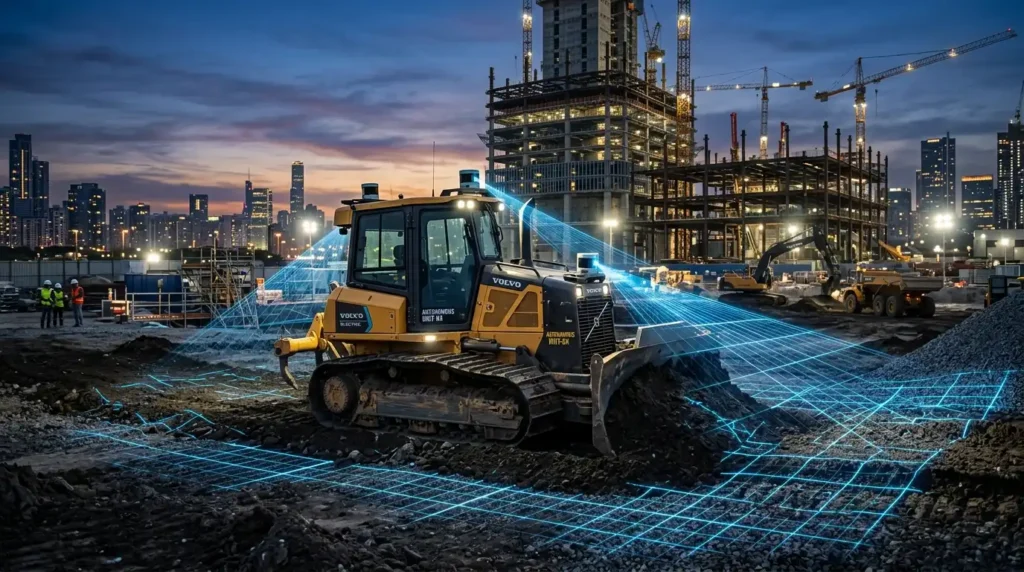
The modern construction jobsite is undergoing a radical technological transformation. Heavy earthmovers, robotic excavators, autonomous haul trucks, and tele-operated cranes are no longer concepts confined to futuristic prototypes—they are actively digging trenches, grading terrain, and hauling materials on commercial sites nationwide. Driven by severe labor shortages and tight project deadlines, contractors are increasingly replacing traditional human equipment operators with automated guidance systems, artificial intelligence (AI) navigation, and remote tele-operation hubs located miles away from the physical jobsite.
While automation promises enhanced efficiency and reduced operator fatigue, it introduces a dangerous new category of workplace hazards: Autonomous Heavy Machinery Accidents. When a multi-ton autonomous bulldozer misinterprets a sensor feed, loses connectivity, or suffers a software glitch and strikes a ground worker, determining fault becomes exponentially more complex than in traditional operator-error cases. Unraveling legal liability in an automated jobsite collision requires examining hardware manufacturing, software engineering, site supervisory practices, and complex multi-employer relationships.
How Autonomous and Remote Construction Equipment Operates
To understand how collisions occur, it is essential to understand the technology powering modern automated jobsites. Autonomous and tele-operated construction equipment typically relies on a combination of hardware and software layers working simultaneously:
- LiDAR and Optical Cameras: Light Detection and Ranging (LiDAR) units shoot laser beams to map the surrounding 3D environment in real time, identifying obstacles, terrain elevation, and human workers wearing reflective safety gear.
- Proximity Radar and Ultrasonic Sensors: Short-range radar detects blind-spot obstructions near tracks, tires, and rotating booms.
- AI Path-Planning Algorithms: Onboard computing modules process sensor data to make split-second decisions regarding braking, steering, and bucket manipulation.
- Tele-Operation Networks: Remote equipment relies on low-latency 5G or localized Wi-Fi mesh networks to transmit video feeds to off-site operators using simulator-style control consoles.
When any single link in this technological chain breaks—whether due to dust-covered optical sensors, network latency drops, or algorithmic calibration errors—the results can be catastrophic for nearby ground crews.
Common Causes of Automated Equipment Collisions
Unlike traditional construction equipment accidents, where driver distraction or operator fatigue is typically the root cause, autonomous machinery failures stem from a hybrid of digital and physical factors:
1. Sensor Occlusion and Blind-Spot Failures
Construction sites are dusty, muddy, and visually harsh environments. Mud splatter, airborne concrete dust, heavy rain, or glare can blind optical cameras and LiDAR sensors. If an autonomous excavator’s perception system fails to distinguish a worker in a high-visibility vest from a pile of gravel due to dirty lenses, its automatic emergency braking (AEB) system may fail to deploy.
2. Tele-Operation Latency and Connectivity Loss
Remote operators managing equipment from off-site control rooms rely on real-time video streaming. If localized network congestion or signal interference introduces even a half-second delay (latency) into the video stream, an off-site operator reacting to a hazard on their monitor may send a braking command that arrives too late to prevent a strike.
3. Software Glitches and Edge-Case Mapping Errors
AI navigation models are trained on standard jobsite parameters. However, “edge cases”—such as unusual trench geometry, unmapped utility lines, or unexpected pedestrian movements—can confuse algorithmic path planners, causing the machine to make erratic maneuvers or proceed into populated work zones.
4. Inadequate Jobsite Geofencing and Separation
General contractors implementing automated machinery are required to establish strict physical perimeter barriers and digital “geofences” to separate autonomous operating zones from human workers. Negligent jobsite management often leads to overlapping work zones, where ground laborers are instructed to perform tasks inside active autonomous pathways.
Unpacking Liability: Who Is Responsible for an Automated Collision?
When a worker is injured by an autonomous vehicle on a jobsite, establishing accountability requires looking beyond standard workers’ compensation claims. Because multiple corporate entities contribute to the operation of an automated machine, liability may be distributed across several parties under OSHA safety frameworks and California personal injury laws.
1. The Equipment Manufacturer (Product Liability)
If the collision was caused by a mechanical defect, steering system failure, or defective sensor assembly, the original equipment manufacturer (OEM) may face a strict product liability lawsuit. Under product liability law, manufacturers can be held liable for design defects, manufacturing defects, or failing to provide adequate warnings regarding equipment operational limits.
2. The Third-Party AI and Software Developers
Many heavy equipment manufacturers retroactively fit existing machinery with autonomous software suites built by third-party tech vendors. If a flaw in the software code, an untested algorithmic update, or a failure in collision-avoidance logic caused the machine to strike a worker, the software developer may be held accountable for professional negligence or software defect liability.
3. The General Contractor and Site Management
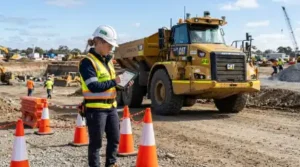 General contractors hold the primary legal duty to maintain a safe work environment under federal and state occupational health regulations. Contractors can be held liable for negligence if they:
- Failed to establish and enforce clear physical zones separating human workers from autonomous machinery.
- Failed to properly train site personnel on emergency stop (E-stop) procedures for automated equipment.
- Neglected to clean and calibrate machine sensors according to manufacturer protocols.
- Bypassed manufacturer safety protocols to speed up project completion times.
4. The Subcontractor or Remote Operating Agency
If an off-site tele-operator was controlling the equipment during the incident, their employer—often a specialized technology subcontractor—may be held vicariously liable for operator error, failure to monitor telemetry data, or operating equipment while distracted.
Navigating Third-Party Injury Claims vs. Workers’ Compensation
In standard workplace accidents, injured employees are generally restricted to filing workers’ compensation claims against their direct employer, which provides medical coverage and partial wage replacement regardless of fault, but prohibits pain and suffering damages. However, autonomous heavy machinery accidents frequently open the door for high-value **third-party personal injury claims**.
Because the companies that design the autonomous software, manufacture the sensors, or lease the specialized equipment are almost always independent third-party entities separate from the worker’s direct employer, injured workers can file third-party lawsuits against them. These claims allow victims to seek full compensation for lost future earning capacity, emotional distress, long-term disability, and punitive damages in cases of gross corporate negligence.
Crucial Steps to Take Following an Automated Equipment Injury
Proving liability in high-tech machinery collisions requires immediate preservation of digital and physical evidence before it can be overwritten or altered:
- Secure Black Box and Telemetry Data: Modern autonomous machinery records continuous telemetry logs, including sensor readings, camera feeds, operator inputs, software version states, and braking commands leading up to an impact. An immediate legal spoliation letter must be sent to freeze this data.
- Document Sensor Conditions and Weather: Take high-resolution photos of the machine’s cameras, radar housings, and LiDAR lenses immediately following the accident to record whether they were dirty, damaged, or obscured.
- Inspect Geofencing and Barrier Setup: Photograph the physical site layout, including safety cones, signage, and physical fencing around the autonomous zone.
- Identify All Contracting Entities: Gather contracts, equipment lease agreements, and site safety plans to identify every company involved in operating the autonomous system.
- Consult an Experienced Construction Accident Attorney: Investigating algorithmic liability and multi-employer jobsite negligence requires specialized legal expertise and access to industry engineers and forensic accident reconstruction experts.
Protect Your Legal Rights After a High-Tech Jobsite Injury
As construction technology continues to advance, safety regulations and legal precedents are scrambling to keep pace. While automated machinery offers incredible promise for the future of construction, workers should never bear the physical cost of untested software, failing sensors, or rushed corporate implementations.
If you or a loved one has been injured by an autonomous earthmover, robotic crane, or remote-operated vehicle on a construction site, our legal team possesses the resources and technical insight necessary to hold negligent manufacturers, software developers, and contractors accountable. Contact us today for a free case evaluation to discuss your rights and legal options.