
How Traumatic Brain Injuries Occur on Construction Sites
According to research from the National Institute for Occupational Safety and Health (NIOSH), the construction industry experiences high numbers of fatal and nonfatal work-related TBIs compared to almost all other major industrial sectors. Worksite hazards create distinct risk environments where head trauma frequently occurs:
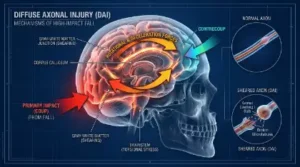
- Falls from Elevation: Falls from ladders, scaffolding, roofs, or structural framing account for more than half of fatal work-related TBIs in construction. The violent impact of hitting a lower surface causes rapid deceleration, driving the brain directly against the inner walls of the skull.
- Struck-by Hazards: Unsecured tools, falling concrete blocks, or swinging crane loads can strike a worker’s head with tremendous kinetic force. Even when wearing compliant safety helmets, high-velocity collisions can transmit destructive energy into brain tissue.
- Machinery and Trench Collapses: Heavy equipment rollovers, structural cave-ins, and caught-between incidents subject victims to extreme crushing forces, leading to skull fractures and severe penetrating or closed-head injuries.
The Invisible Spectrum: Lifelong Consequences of a TBI
Medical professionals classify TBIs into mild (concussions), moderate, and severe categories. However, even so-called “mild” brain injuries can lead to Post-Concussion Syndrome (PCS), producing symptoms that last for months or years. Moderate to severe TBIs often produce permanent impairments across several key functional areas:
1. Cognitive Deficits
Damage to the frontal and temporal lobes frequently causes severe cognitive impairment. Brain injury survivors may struggle with short-term memory recall, executive decision-making, spatial awareness, and processing speed. For trade workers, these impairments make returning to technical construction tasks virtually impossible.
2. Physical and Neurological Impairments
Long-term neurological complications include chronic headaches, balance and motor coordination deficits, severe fatigue, light sensitivity, and post-traumatic epilepsy. Victims may require permanent assistive mobility devices and lifelong daily assistance.
3. Emotional and Behavioral Changes
Because the brain regulates mood and personality, TBI survivors frequently experience profound psychological changes. Friends and family members often report dramatic shifts in temperament, including persistent depression, post-traumatic stress disorder (PTSD), anxiety, and sudden emotional outbursts or impulse control problems.
Calculating the True Financial Cost of a Construction TBI
The economic burden of a catastrophic head injury extends far beyond initial emergency care. Lifetime medical treatment, lost earning capacity, and ongoing rehabilitation cost millions of dollars over a victim’s lifetime. Standard lifetime expense calculations often include:
- Emergency Surgeries & Intensive Care: Initial craniotomies, intracranial pressure monitoring, and weeks in intensive care units.
- Specialized Rehabilitation: Inpatient physical therapy, occupational therapy, speech therapy, and cognitive rehabilitation programs.
- Life Care Planning: Home modifications (e.g., wheelchair ramps, widened doorways), round-the-clock nursing assistance, specialized medical equipment, and prescription medications.
- Loss of Earning Capacity: Calculating not just current lost wages, but decades of lost future earnings, benefit accruals, and career advancement potential.
Navigating Workers’ Compensation vs. Third-Party Lawsuits
Following a job site injury, workers generally qualify for statutory benefits through their employer’s workers’ compensation insurance. While workers’ compensation provides immediate medical coverage and partial wage replacement, it does not compensate for non-economic damages like pain and suffering, loss of enjoyment of life, or full lost future income.
In many construction site TBI cases, third-party negligence contributed to the hazardous condition. Under state personal injury laws, injured workers can file third-party personal injury lawsuits against negligent entities other than their direct employer. Common third parties include:
- General Contractors or Subcontractors: Failing to maintain site-wide safety protocols or enforce fall protection guidelines regulated by OSHA Regulations.
- Equipment Manufacturers: Manufacturing defective safety harnesses, scaffolding components, or heavy machinery with insufficient guarding or design flaws.
- Property Owners: Failing to warn workers of pre-existing site hazards or structural defects.
Pursuing a third-party claim allows TBI victims to seek complete financial recovery, including pain and suffering, emotional distress, and full economic loss compensation.
Crucial Steps to Take After a Head Injury on a Construction Site

If you or a loved one sustains a head strike or fall on a construction site, taking decisive action helps safeguard both health and legal rights:
- Seek Immediate Emergency Medical Attention: Brain injuries often involve delayed symptoms like internal swelling or subdural hematomas. Immediate imaging (CT scans or MRIs) is critical.
- Report the Incident Promptly: Notify your supervisor and ensure an official injury report is filed detailing the exact circumstances of the incident.
- Document the Worksite Scene: If possible, take photographs of the hazardous conditions, missing fall protection systems, broken equipment, and surrounding area. Secure contact information for all eyewitnesses.
- Avoid Giving Early Insurance Statements: Insurance adjusters frequently attempt to minimize brain injury claims early in the process. Consult legal counsel before signing releases or providing recorded interviews.
- Consult an Experienced Construction Accident Attorney: A specialized legal team will preserve site evidence, analyze OSHA inspection records, consult medical specialists, and identify all liable third parties.